Аверс-Агро: сучасна сільгосптехніка для українських господарств
Ефективність польових робіт залежить не лише від потужності трактора, а й від того, наскільки точно кожен агрегат відповідає технології вирощування, стану ґрунту та завданням конкретного господарства. Аверс-Агро розробляє і виготовляє сільськогосподарську техніку, допомагаючи аграріям сформувати послідовну систему робіт — від підготовки поля й управління рослинними рештками до сівби та сервісного супроводу.
Від потреб поля до готового агрегату
Аверс-Агро працює на ринку з 2010 року. Компанія поєднує виробничі можливості з роботою власного конструкторського бюро, створює нові рішення, адаптує та модернізує сільгосптехніку під практичні потреби аграрного виробництва. На офіційному сайті зазначено, що в команді працюють понад 100 фахівців, а річний випуск становить близько 500 одиниць власної техніки.
Для покупця це означає можливість звернутися безпосередньо до виробника: обговорити умови роботи агрегату, сумісність із трактором, потрібну ширину захвату, комплектацію та подальше обслуговування. Такий підхід особливо важливий тоді, коли техніку потрібно вписати в уже сформовану технологію господарства, а не просто придбати окрему машину.
Техніка для ключових етапів польових робіт
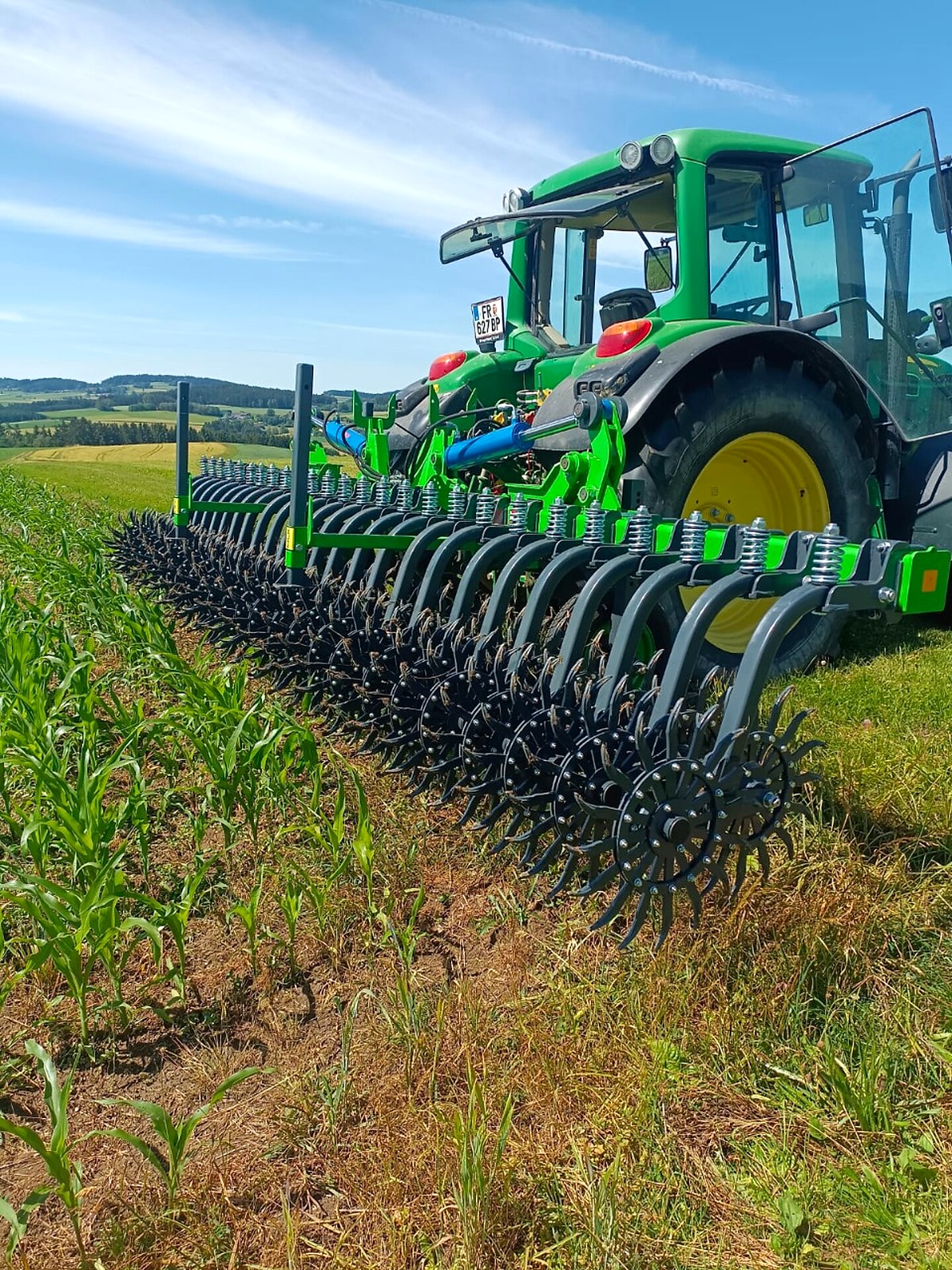
Ротаційні борони Аверс-Агро призначені для поверхневого обробітку ґрунту, руйнування кірки, розпушування верхнього шару та догляду за посівами. У каталозі представлені навісні й причіпні моделі з різними варіантами робочих органів. Під час вибору варто враховувати культуру, фазу розвитку рослин, стан поля, потрібну продуктивність і потужність трактора.
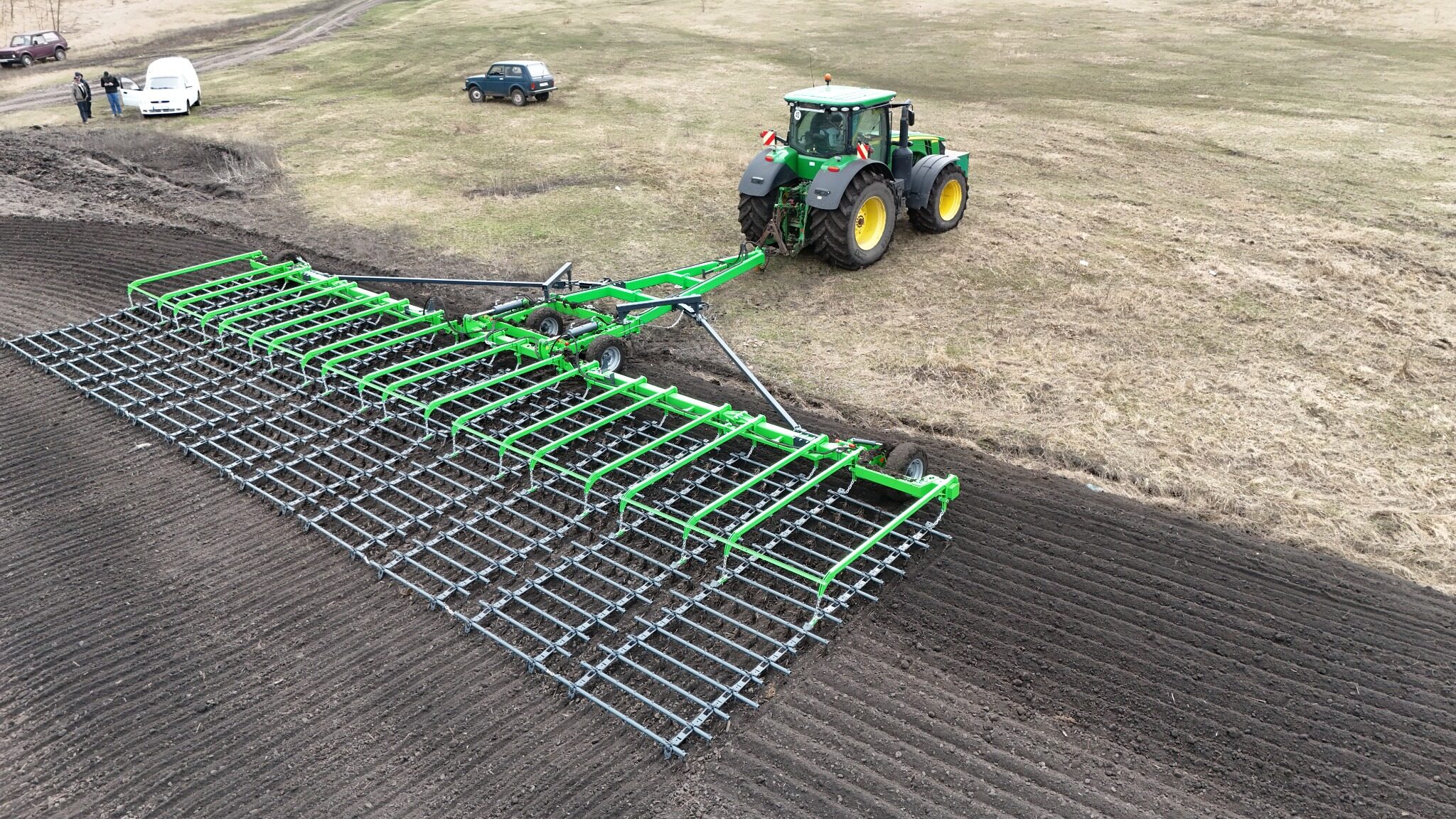
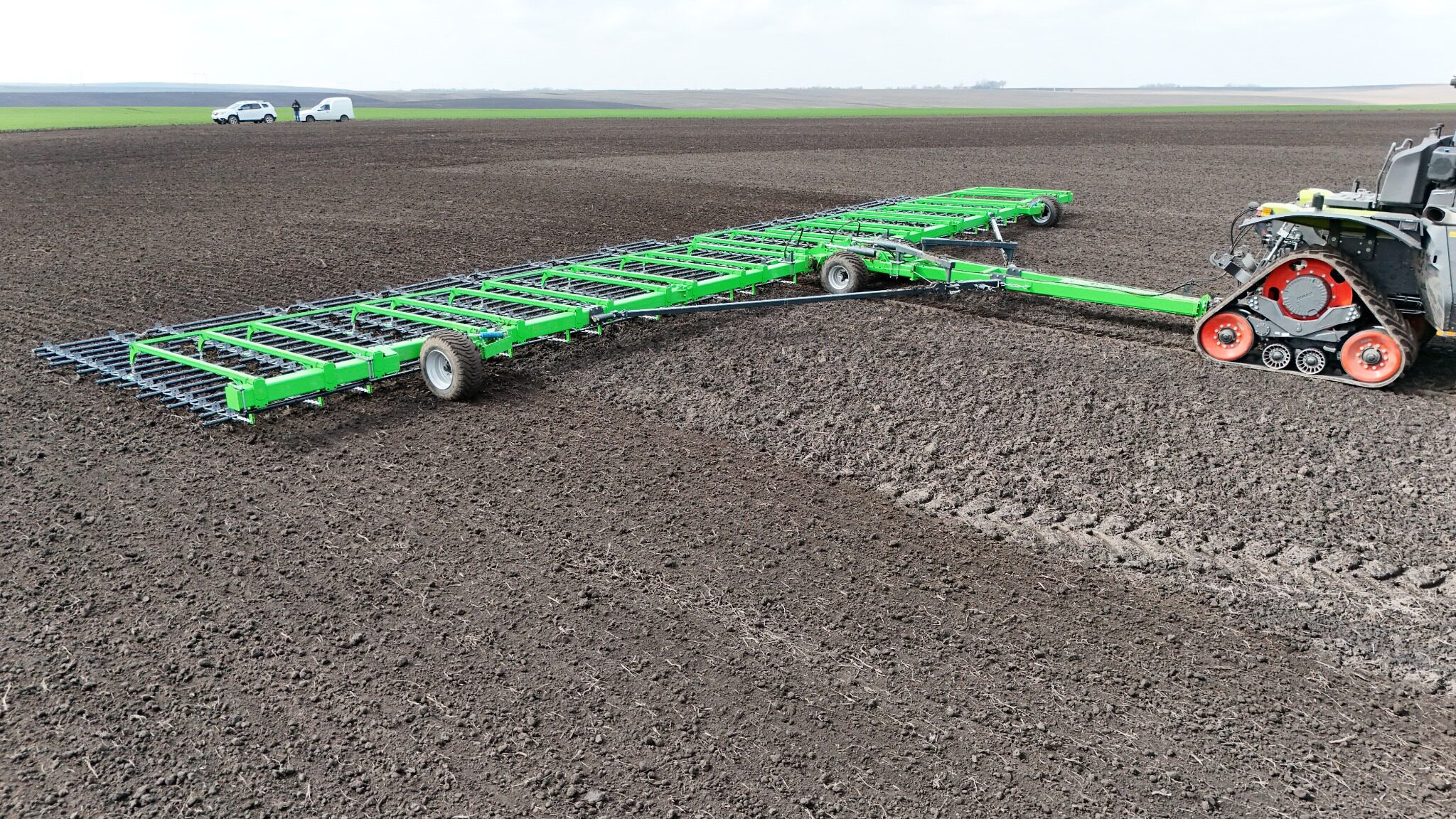
Шлейфові борони Green Way використовують для передпосівної підготовки, вирівнювання поверхні, руйнування ґрунтової кірки та закриття вологи. Категорія охоплює навісні моделі робочою шириною від 4,3 до 9 метрів і причіпні моделі від 5,3 до 24 метрів. Завдяки цьому можна підбирати агрегат з урахуванням площі господарства, продуктивності та наявного тягового ресурсу.
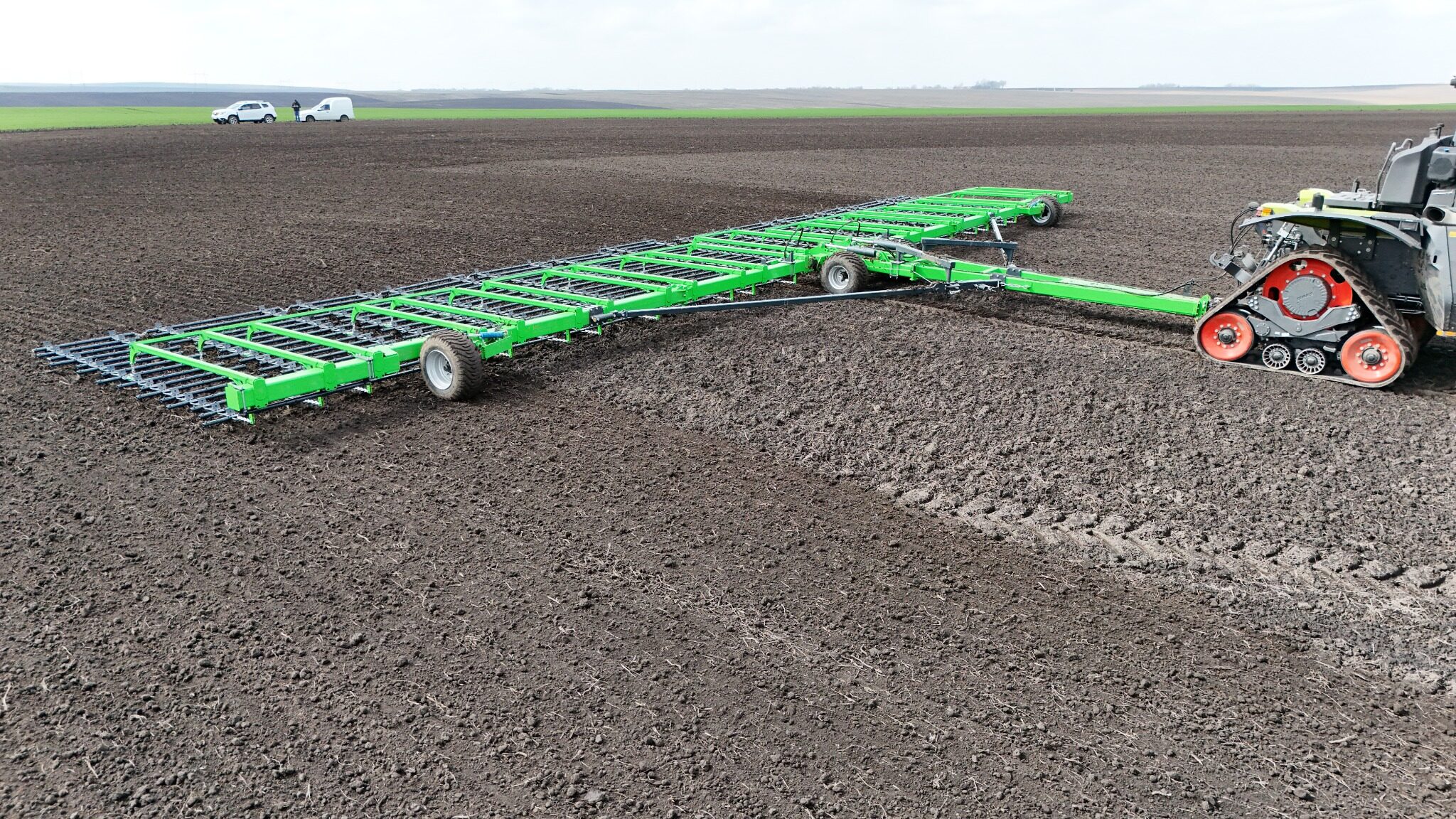
Катки-подрібнювачі Shredder допомагають керувати пожнивними рештками після збирання культур. На вибір агрегату впливають ширина захвату, тип агрегатування, конструкція та діаметр барабана, робоча швидкість, маса і потужність трактора. У лінійці є різні конструктивні виконання, тому перед замовленням доцільно визначити основні культури, обсяг решток і бажаний результат проходу.
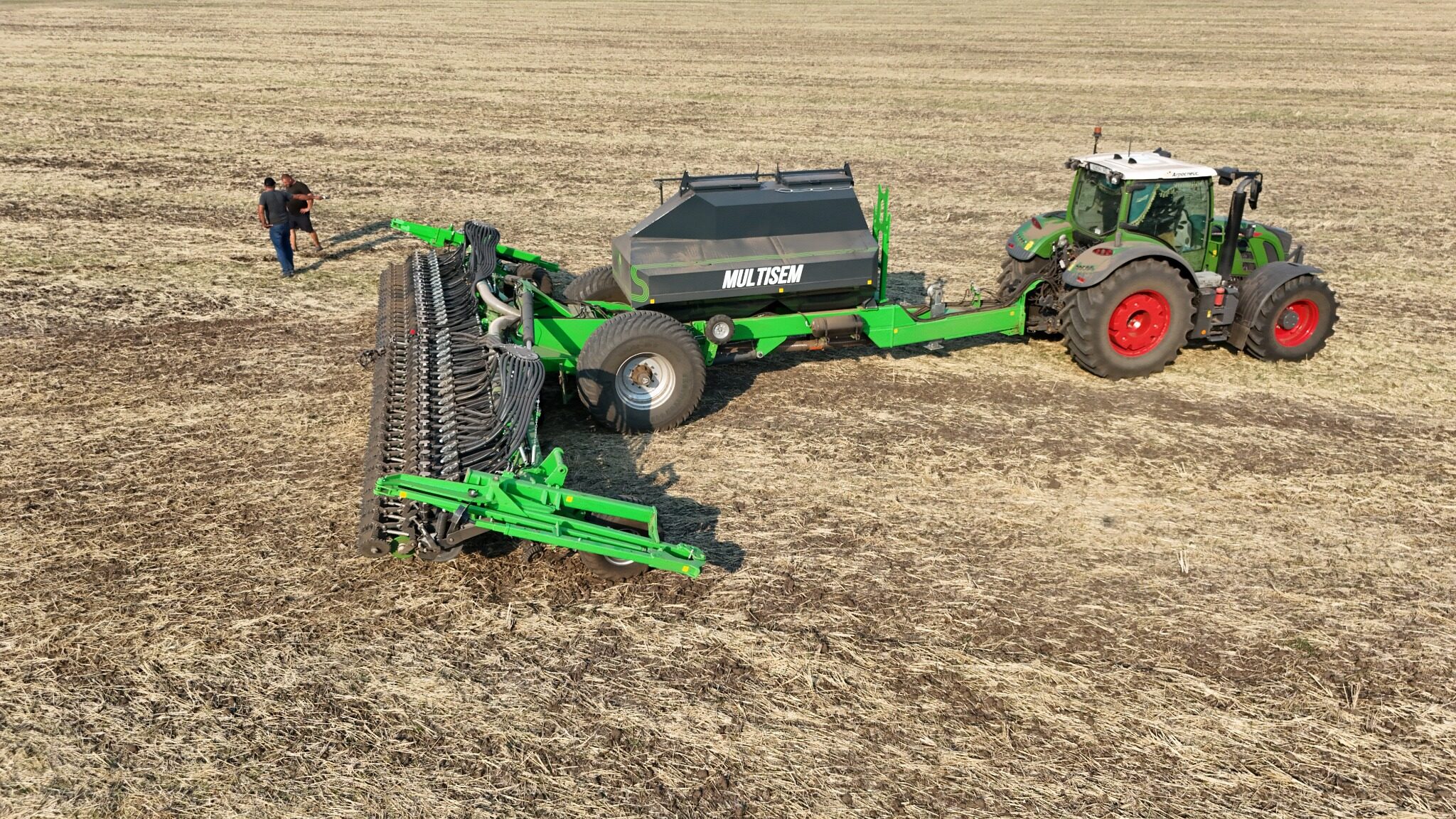
Сівалки MULTISEM Аверс-Агро представлені механічними й пневматичними рішеннями для різних технологій та завдань. У каталозі є монодискові, дискові й дисково-анкерні моделі, а також комплекси суцільного висіву. Ключове під час вибору — не назва серії сама по собі, а відповідність типу сошника, ширини міжряддя, робочої ширини та потужності трактора умовам господарства.
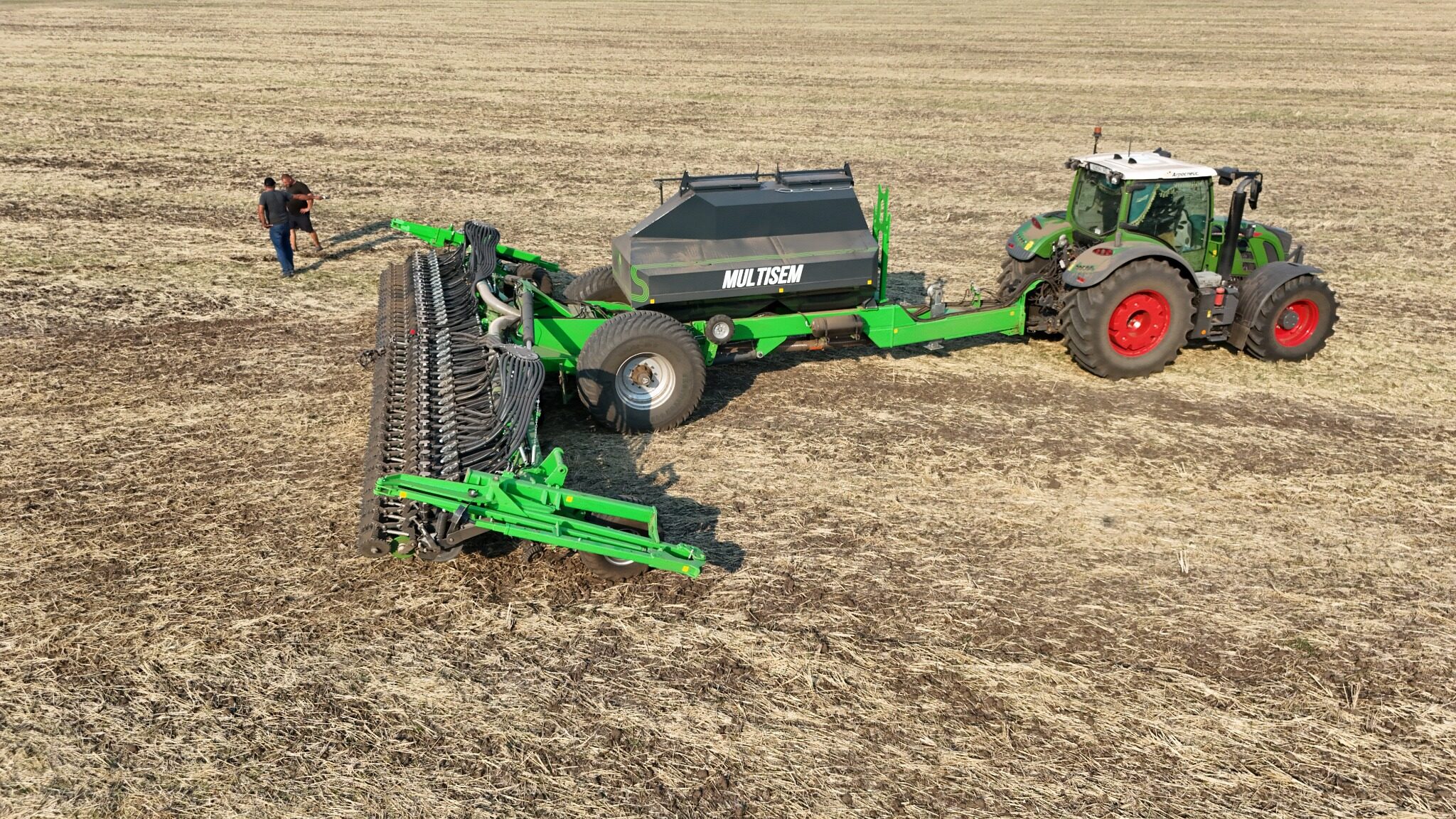
Очисники ряду встановлюють на сівалки для очищення смуги висіву від рослинних решток і підготовки зони проходу сошника. На сайті доступні одно- та дводискові виконання для низки популярних моделей сівалок. Підбирати очисник потрібно за конкретною сівалкою, типом кріплення та необхідним режимом роботи — плаваючим або жорстким.
Як підібрати сільгосптехніку під господарство
Правильний вибір починається з технологічного завдання. Для одного господарства пріоритетом буде швидке закриття вологи навесні, для іншого — рівномірне подрібнення великої маси решток, мінімізація кількості проходів або точна робота сівалки в складних умовах. Тому порівнювати моделі лише за шириною захвату недостатньо.
Перед консультацією варто підготувати п’ять груп даних: площу та конфігурацію полів; типи ґрунтів і основні культури; технологію обробітку; марку й потужність трактора; бажану продуктивність і транспортні обмеження. Це допоможе швидше звузити вибір до моделей, які реально відповідають умовам роботи.
Окремо потрібно оцінити експлуатацію: доступність робочих органів і запасних частин, складність регулювання, щоденне обслуговування, можливість ремонту та підтримку в сезон. Саме ці фактори часто визначають не ціну придбання, а фактичну вартість володіння технікою.
Сервіс і супровід після придбання
Аверс-Агро заявляє про технічну підтримку, гарантійне й післягарантійне обслуговування, ремонт на власній базі або з виїздом до клієнта. На сторінці компанії також зазначені доставка, супровід і складання виробу по Україні та Європі, сертифікати якості й гарантія, а серед варіантів фінансування — лізинг і кредитування.
Для господарства сервісний контур важливий не менше за характеристики агрегату. У сезон рішення має бути не лише продуктивним у полі, а й передбачуваним у налаштуванні, постачанні деталей та відновленні працездатності.
Чому варто працювати безпосередньо з виробником
Пряма комунікація з виробником дає змогу обговорювати техніку мовою конкретних умов: культура, ґрунт, попередник, кількість решток, трактор, ширина міжряддя та заплановане навантаження. Це створює основу для аргументованого вибору комплектації й зменшує ризик придбати агрегат, який не відповідає реальному виробничому процесу.
Каталог Аверс-Агро дозволяє сформувати взаємопов’язаний набір рішень для підготовки ґрунту, роботи з пожнивними рештками та сівби. Перехід між категоріями допомагає оцінити не окрему машину, а весь ланцюг польових операцій і знайти ділянки, де можна оптимізувати строки, ресурси або кількість проходів.
Підбір техніки починається з вашого завдання
Щоб обрати модель, підготуйте дані про трактор, площу, культури, технологію обробітку та очікувану продуктивність. Перегляньте каталог, порівняйте релевантні виконання й зверніться до фахівців Аверс-Агро для уточнення комплектації, актуальної ціни, умов демопоказу, фінансування, доставки та сервісу.